Pl@ntNet opens up to collaborative translation!
Following the growing interest of many Pl@ntNet users to benefit from the application in their own languages, a collaboration with POEditor has been implemented! We hope that this collaboration will …
Following the growing interest of many Pl@ntNet users to benefit from the application in their own languages, a collaboration with POEditor has been implemented! We hope that this collaboration will …

The essential story of Pl@ntNet is the story of people convinced that knowledge and education are powerful levers to reinforce the consideration of biodiversity in all human activities. They allow …

The Lewa Wildlife Conservatory, in northern Kenya, is a successful conservation model that has been balancing tourism and natural resource protection for several decades. Like many protected natural areas, however, …

The most reliable observations from Pl@ntNet are now integrated into the GBIF international database. The GBIF-Global Biodiversity Information Facility-is an international network and research infrastructure funded by the world’s governments …

Ten years after the launch of the first collaborative plant identification platform used by millions of people, its four founding members (CIRAD, INRAE, Inria, and IRD) have just set up …

This book, entitled “Multimedia Tools and Applications for Environmental & Biodiversity Informatics” focuses on the latest and most impactful advancements of multimedia data globally available for environmental and earth biodiversity. …

Every year since 2011, our team is helping to organize an international machine learning competition to improve our knowledge about automatic life recognition: LifeCLEF. Over the years, teams from around …
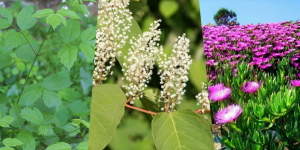
You may forget it by using it, but Pl@ntNet is a citizen science project. The data collected in the application is used to make the research go forward. Today, it’s …