The Pl@ntNet API Reaches 100 Million Identifications
This is a major milestone for the Pl@ntNet team. The Pl@ntNet API has just surpassed 100 million identifications performed! This figure represents an important step for the service and, above …

This is a major milestone for the Pl@ntNet team. The Pl@ntNet API has just surpassed 100 million identifications performed! This figure represents an important step for the service and, above …

The first training session on the use of the Pl@ntNet application in Uganda was recently held. Five one-day training sessions, combining both theoretical and practical components, took place at the …

The 23rd Congress of AETFAT (Association for the Taxonomy of Tropical African Flora), held at the University of Ghana in Accra, highlighted the growing role of digital tools in the …
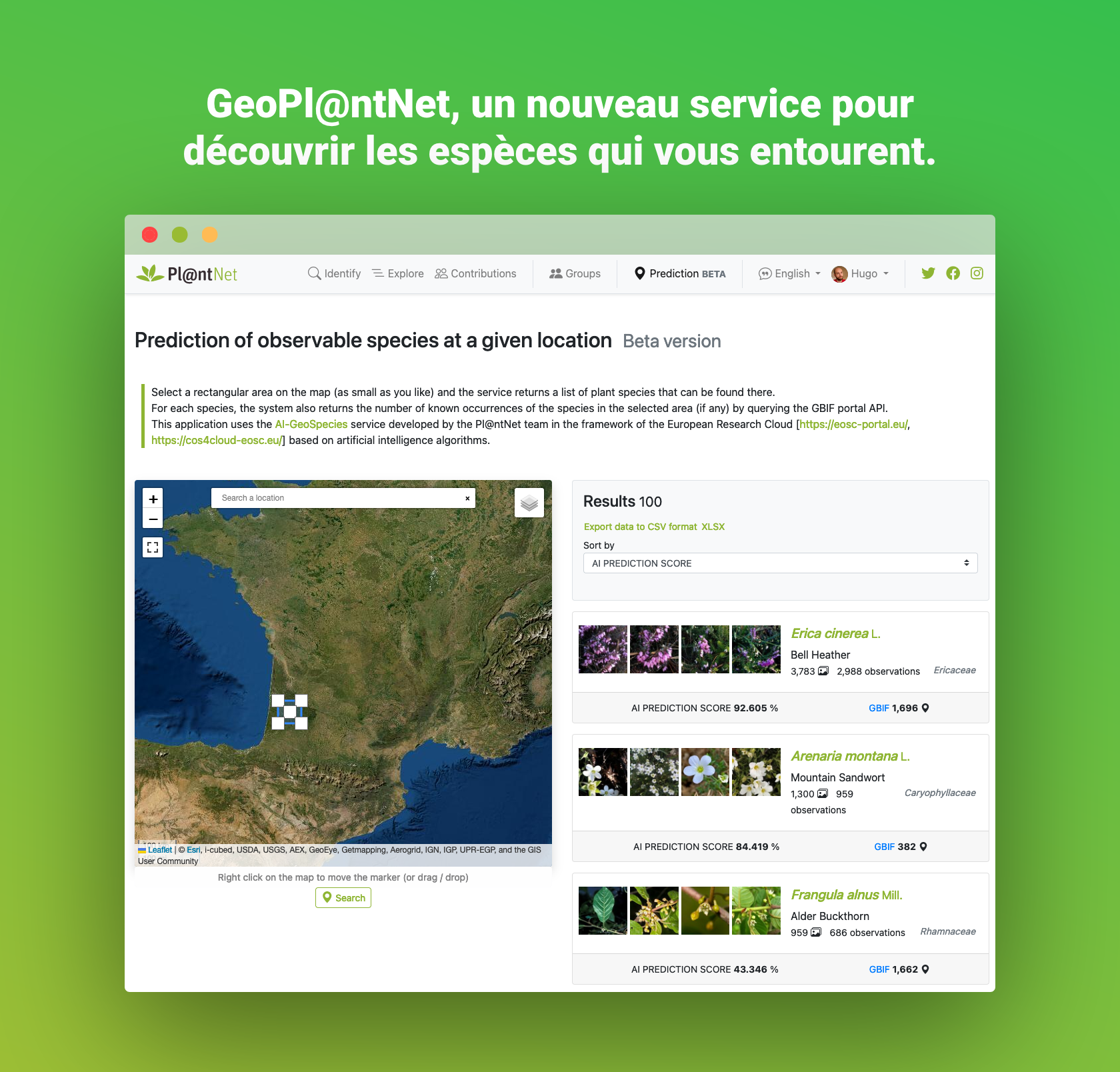
Have you ever wondered what plants you might see around you, or on your next walk? This service could help you answer that question.
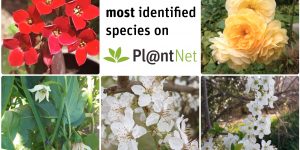
We have compiled a list of the most identified plant species since the beginning of Pl@ntNet. This is more than 320 millions identification requests analysed, all made from Pl@ntNet apps …

And more practical too! Whether you are a teacher, a park manager or simply want to share your passion with others, Pl@ntNet groups make your life easier. To create a …
Following the growing interest of many Pl@ntNet users to benefit from the application in their own languages, a collaboration with POEditor has been implemented! We hope that this collaboration will …

The essential story of Pl@ntNet is the story of people convinced that knowledge and education are powerful levers to reinforce the consideration of biodiversity in all human activities. They allow …

The Lewa Wildlife Conservatory, in northern Kenya, is a successful conservation model that has been balancing tourism and natural resource protection for several decades. Like many protected natural areas, however, …